Research & Innovation Authority
רשות המחקר והחדשנות
مكتب الأبحاث والابتكار
In our rapidly changing world, design extends beyond its aesthetic-functional role to become a catalyst for social and environmental change, promoting value-driven objectives through Social Innovation (SI) and Human-Centered Design (HCD).
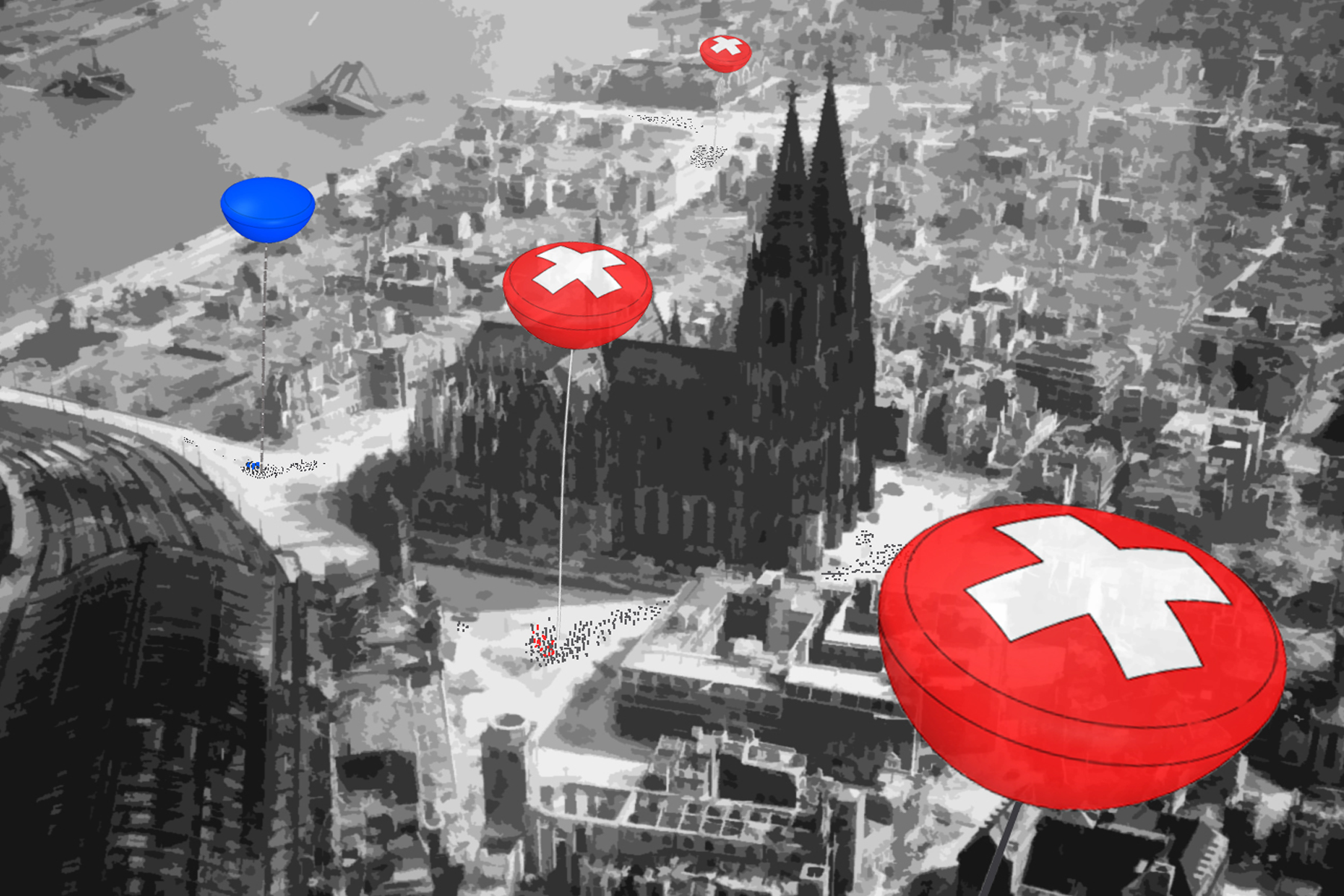
RDFD - Relevant Design for Disaster at Bezalel - research group, specializes in developing solutions - tools, services and methodologies for disaster response, recovery and prevention - collaborating with government organizations, international agencies, research institutions, and local communities.
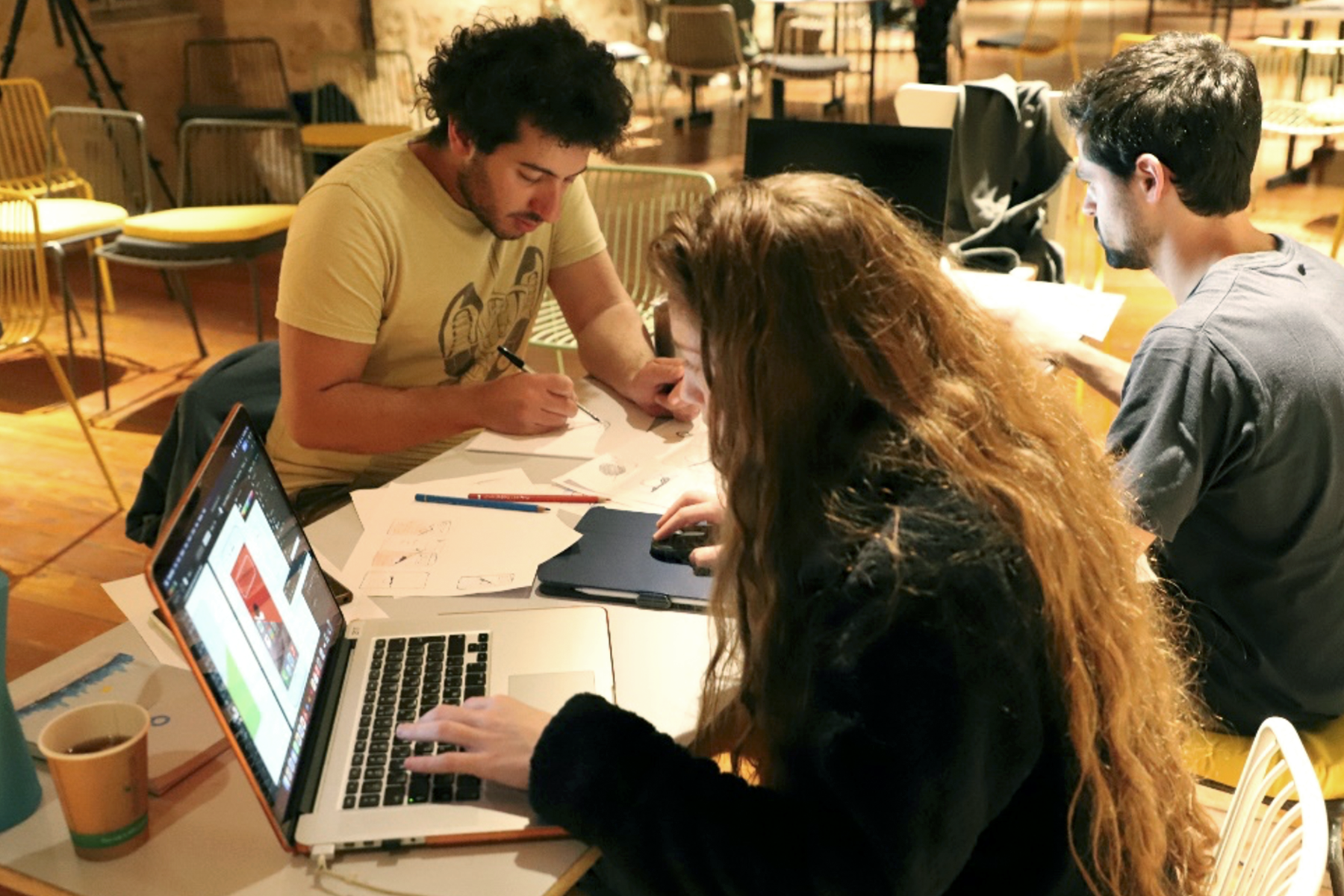
RDFD operates through an empathetic and participatory approach (Co-Design), viewing design as a unifying force between communities, creating better communication between different sectors, and experts from various disciplines, aimed at delivering effective and implementable solutions for complex situations.
The group strives to improve quality of life for all people, by strengthening community resilience and preparedness for crisis situations. Its goal is to use design as a tool that influences policy, behavior, and decision-making processes - making the world a safer, and more resilient place in the face of future challenges.
The multidisciplinary research group RDFD - Relevant Design for Disaster
Integrates applied research, technology innovation, social responsibility, and strategic design in the context of disaster zones and crisis situations. Nurturing international collaborations, the group develops innovative and adaptive solutions to address 21st century challenges, strengthen community resilience, and design a safer future for all.
Projects


Team
Eran Lederman is a designer, researcher, and Senior Lecturer at the Polonsky Department of Industrial Design at the Bezalel Academy of Arts and Design Jerusalem. He is the founder and head of the RDFD - Relevant Design for Disaster research group, which operates under Bezalel’s Research and Innovation Authority. The RDFD group focuses on researching and developing innovative design-driven solutions and approaches for addressing extreme scenarios.
Lederman’s research explores, among other areas, applied design for extreme scenarios and disaster zones, including the development of early warning systems for earthquakes, floods, and tsunamis; temporary housing solutions for displaced communities; the integration of renewable energy technologies to build community resilience; and decision-support tools for disaster zone management. For Lederman, design is a tool with the capacity to bridge disciplines and languages, to connect tradition and innovation, material and necessity, human needs and technological possibilities. Empathy serves as a guiding principle, enabling design to fulfill a social, moral, and systemic role.
Lederman is a graduate (with distinction) of Bezalel’s Industrial Design Department and has served as a faculty member since 2013. He leads courses focusing on design for emergency contexts, technological innovation, systems thinking, and community-based approaches.
Alongside his academic work, Lederman has run an independent design and product development studio since 2001. His studio works with both early-stage startups and established companies, offering vision-driven product design. The studio is committed to high-quality, ethical design that emphasizes responsibility to people and the environment.

Tomer Shemi is a designer and lecturer with over 20 years of experience in design and technology. He graduated with honors from the Visual Communication Department at Bezalel (1993) and holds a Master's degree in Industrial Design specializing in Design Management and Innovation from Bezalel.
Tomer has served as a lecturer an the Polonsky Industrial Design Department at Bezalel since 2003, where he teaches graphic software courses, introduction to graphic design, user experience in digital environments, and portfolio design. In 2023, he received an excellence in teaching commendation from the Industrial Design Department at Bezalel.
Alongside his academic activities, Tomer is active as a designer in planning and user experience design. He is a founder and project manager at Frame Media House, a studio specializing in user experience design, website and application development, user interfaces for medical equipment and IoT products. Between 2013-2016, he served as a UX-UI mentor at the Siftech technology incubator, where he guided startup founders in the early stages of product development.
Tomer is a member of the Relevant Design for Disaster research group (RDFD) at Bezalel, and participates in innovative projects such as designing Israeli earthquake alerts and research on temporary housing for displaced communities. These studies combine design and technology for social and security purposes, through interdisciplinary collaboration with academic institutions and government authorities.
Among his professional achievements are wins in the "Golden Cut" competition of the Israeli Graphic Designers Association, and a bronze medal in the UX Redefined - HMI Europe 2016 competition.
Professor Ido Bruno is a designer, curator, and professor at the Polonsky Department of Industrial Design, Bezalel Academy of Arts and Design Jerusalem. A lecturer since 1994 at the bachelor’s and master’s programs at Bezalel, he develops and teaches courses on technology, design for social change, medical and educational environments, and ethics in design. He is the co-founder of RDFD - Relevant Design for Disaster.
Bruno’s career bridges design practice, academia, curating and strategic thinking for design and culture. He has served on advisory committees for Israel’s Ministry of Education and Ministry of Culture and as a juror for numerous design and art awards. His curatorial and design work has been featured in leading institutions worldwide, including MoMA New York, MUDAC Lausanne, Sendai City Museum Japan, the Design Museum London, Bruno has been honored with several awards for Medical Design Excellence, Sustainable design research and the Ministry of Culture Design Award of excellence for his overall work. Bruno served as Director of the Israel Museum (2017-2021) and now holds the title of Director Emeritus.
He is the founder of a product and environment design studio IDBruno, focused on product and exhibition design, human-nature interaction,design for special needs, informal education, and disaster-resilient solutions.
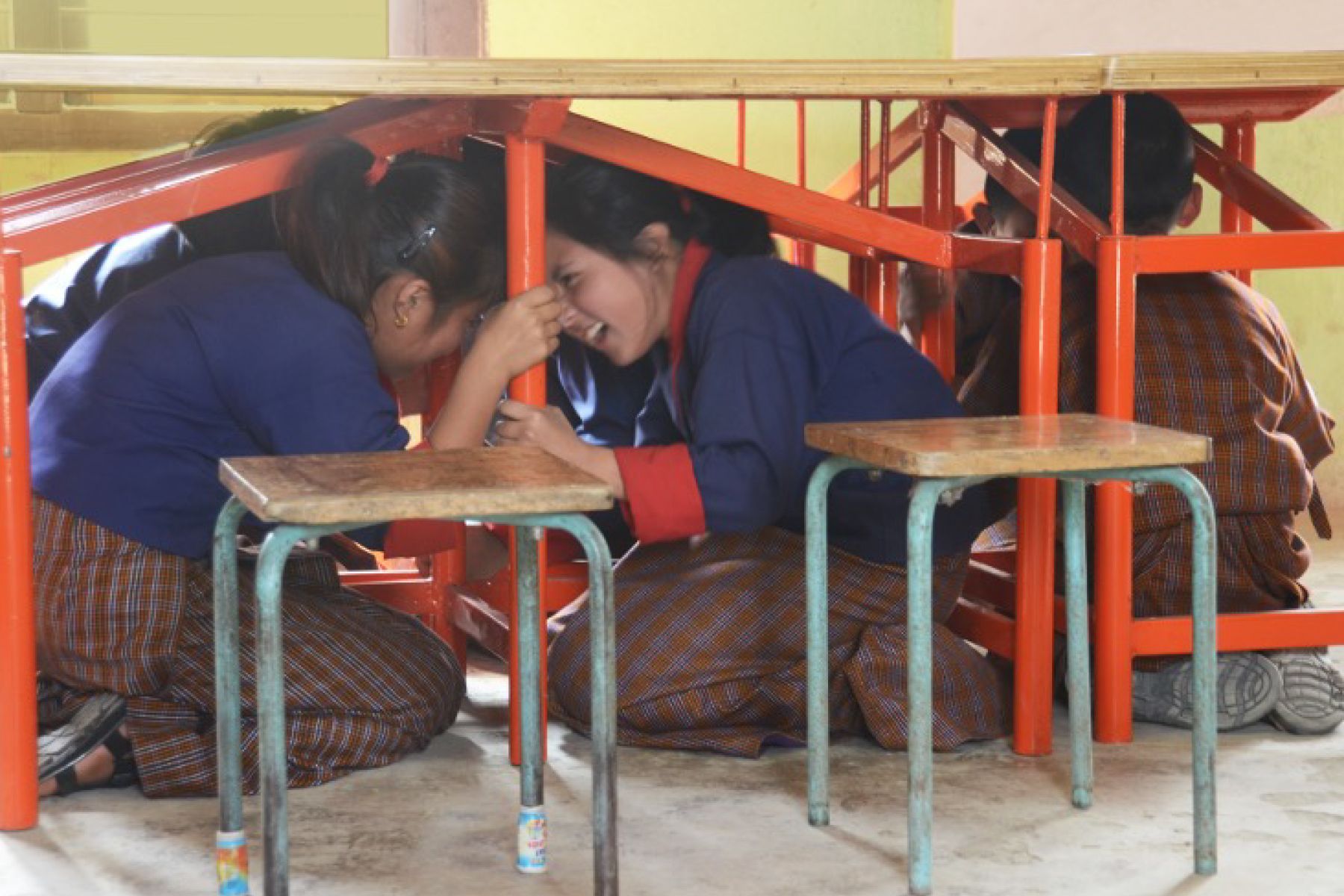
Notable among his applied projects is the design and development of the award winning EQ Desk (in collaboration with Arthur Brutter) implemented in Bhutan and Nepal, and ongoing projects in other high-risk regions.